
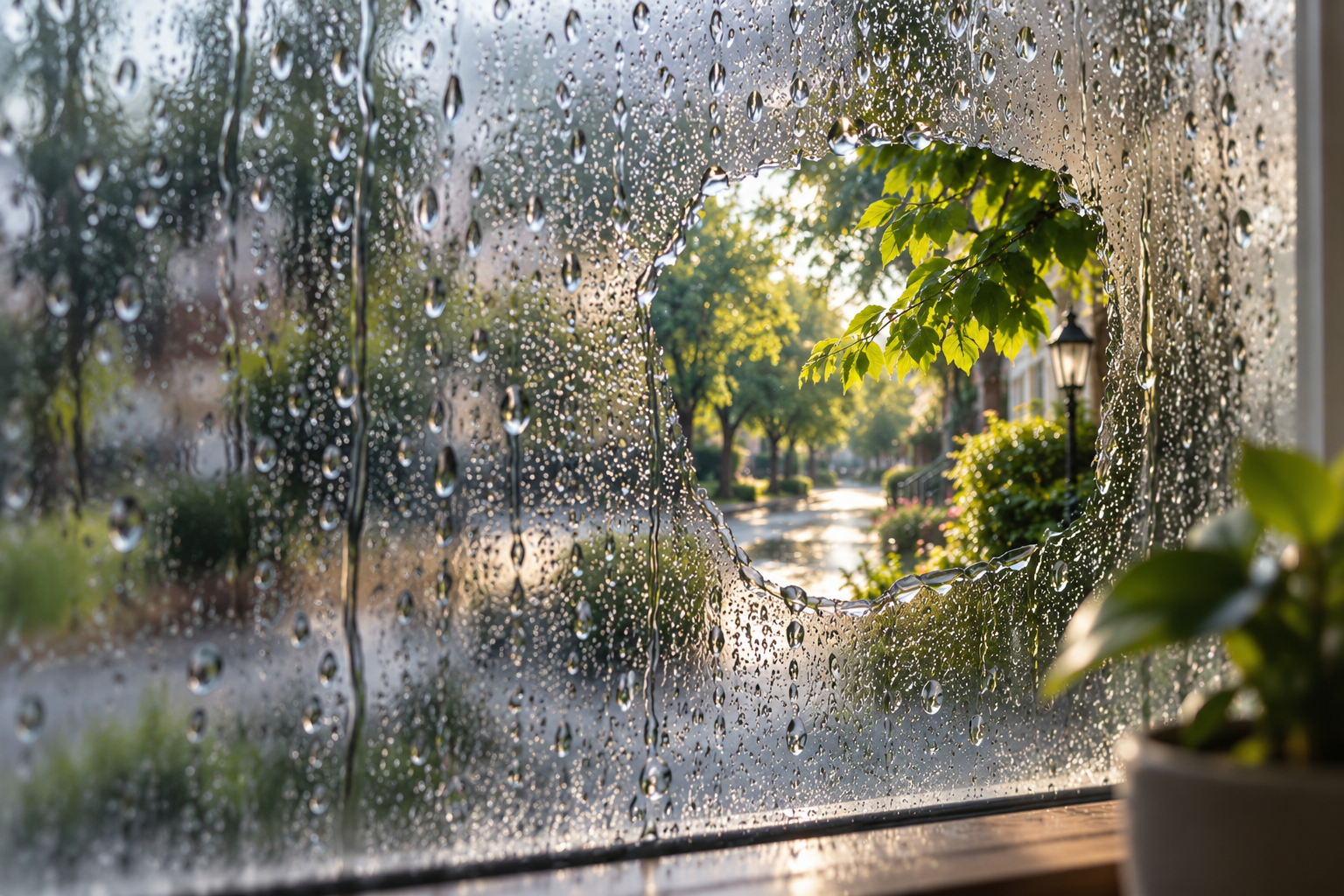
A Different Way of Seeing
We rarely experience life as a collection of neutral events. Almost immediately, we interpret what happens through our expectations, memories, fears, and assumptions. Those interpretations can feel so certain that we mistake them for the event itself. Yet sometimes a situation begins to change—not because the facts have changed, but because we become willing to look at them from another perspective.
The Stories We Add to What Happens
Something happens, and almost immediately the mind begins explaining it. A delayed reply becomes rejection. A disagreement becomes proof that someone does not understand us. An unexpected change becomes evidence that everything is going wrong. The event itself may be real, but the story we add to it can create an entirely different experience. Learning to notice that distinction gives us room to ask a useful question: What do I actually know, and what have I assumed?
When Our First Interpretation Is Not the Only One
Our first interpretation often arrives quickly because it is shaped by what we already believe, expect, or fear. But a quick interpretation is not necessarily a complete one. Another person’s silence may have nothing to do with us. A setback may reveal an opportunity we could not initially see. Even a disagreement can look different when we become curious about what the other person is experiencing. Considering another perspective does not require us to abandon good judgment; it simply keeps us from treating our first conclusion as the only possible truth.
The Pause That Makes Another Perspective Possible
A pause creates distance between what happens and the meaning we immediately give it. In that brief space, we can notice our reaction without being completely governed by it. We can ask whether there might be another explanation, whether fear is influencing what we see, or whether we are carrying an old experience into a new situation. The pause does not guarantee that our perspective will change, but it gives change somewhere to begin.
Seeing Differently Does Not Mean Ignoring Reality
A different perspective is not the same as pretending that everything is fine. Some situations require boundaries, difficult decisions, or meaningful change. Seeing differently means trying to meet those realities without adding unnecessary assumptions, resentment, or fear. We can acknowledge what happened while remaining open to understanding it more clearly. Sometimes the most useful change in perspective is not deciding that a difficult situation is good, but recognizing that we still have a choice in how we respond to it. That choice can also become a way of protecting our inner peace, even when the circumstances themselves have not changed, an idea explored further in The Quiet Power of Choosing Peace.
Practicing a Different Way of Seeing
Practicing a different way of seeing can begin with ordinary situations. When irritation arises, we can ask what else might be true. When we feel judged, we can consider whether we know another person’s intention or have simply assumed it. When plans change, we can notice the difference between the inconvenience itself and the thoughts we add to it. These questions do not always produce an immediate answer. Their value is that they loosen the certainty of our first reaction and make room for greater understanding.
The Freedom to Look Again
We are not required to remain inside every interpretation our minds first create. We can look again. We can question what we assumed, become curious about what we may have missed, and allow new understanding to emerge. The circumstances may remain exactly as they were, but our experience of them can begin to change. Sometimes greater freedom starts with nothing more complicated than the willingness to admit that there may be another way to see.
A quiet reminder: What you first see is not always all there is to see. Sometimes clarity begins with the willingness to look again.